One tool for every
square foot you need.
Specialized calculators pre-configured with the right formulas, units, and waste factors for each project type. Pick the one that matches your job.
Interior Projects
Tools for indoor renovation and room measurement.
Room Calculator
Any room shape, including L-shapes
Floor Calculator
Hardwood, vinyl, laminate
Wall Calculator
Wall area minus openings
Ceiling Calculator
Flat, vaulted & tray ceilings
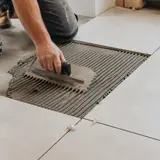
Tile Calculator
Floor & wall tile

Carpet Calculator
Sq ft & sq yd output

Paint Calculator
Gallons needed for coats

Wallpaper Calculator
Roll count by area
Drywall Calculator
Sheets needed (4×8, 4×12)
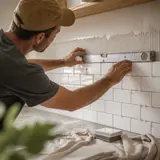
Backsplash Calculator
Kitchen tile area
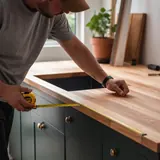
Countertop Calculator
Counter surface area
Shower Calculator
Walls & floor combined
Stair Calculator
Treads & risers
Window & Door
Opening area to deduct
Exterior & Building
Outdoor and structural calculations.


Landscaping & Property
Yard, pool, and land area.
Lawn Calculator
Grass area for any yard

Sod Calculator
Pallets & rolls needed

Yard Calculator
Front, back, total
Pool Calculator
Rectangle, oval, kidney

Round Pool Calculator
Circular pool area
Property Calculator
Lot & land in acres
House Calculator
Whole-home square footage
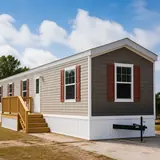
Mobile Home Calculator
14x70, 20x70 & double-wides
Home Office Calculator
For tax deduction
Shapes & Conversions
Pure geometry and unit conversion tools.
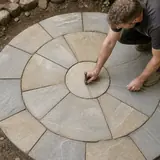
Circle Area
πr² for round areas

Triangle Area
Base × height / 2

Irregular Shape
Multi-segment areas
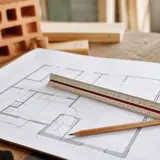
Floor Plan
Multi-room totals
Total Area
Sum multiple spaces
Cost per Sq Ft
Total project cost

Sq Ft to Acres
Convert area units
Sq Ft to Sq Meters
Imperial ↔ metric

Sq Ft to Sq Yards
For carpet & sod

Inches Calculator
Sq inches to sq feet
Linear → Sq Ft
Linear feet conversion
How Big Is N Sq Ft?
Visualize any size

Acreage Calculator
Lot size in acres
Room Size Reference
10x10, 12x12, 14x16 sq ft
Specialty
Niche tools for specific projects.



First decide which surface you are measuring
Before the material and before the shape, settle what the material is going onto. A room has a floor area, a wall area, a ceiling area and a footprint, and they are four different numbers. Ordering paint against a floor area is the most expensive mistake on this site, and no calculator can catch it for you.
| Surface | What you measure | Calculators |
|---|---|---|
| Floor | Interior floor area, wall to wall, including closets that get the same material. | RoomFlooringTileCarpet |
| Interior wall | Room perimeter × ceiling height, then deduct doors and windows for paint but not for framing. | WallPaintDrywallWallpaper |
| Ceiling | Equal to the floor area when level. Vaulted, tray and coffered ceilings hold more, so apply a pitch multiplier or add the tray band. | CeilingPaintDrywall |
| Exterior wall | Wall by wall around the building, plus gable triangles, less openings. | ExteriorSiding |
| Roof | Building footprint × the pitch multiplier — never the footprint on its own. | Roof |
| Ground | Lot, lawn or bed area, usually irregular and usually split into pieces. | YardLawnSodPropertyAcreage |
| Worktop | Run length × depth for each run, islands counted separately. | CountertopBacksplash |
How to choose the right calculator
Every calculator here runs the same underlying geometry. What changes between them is everything that surrounds the number: the units a trade works in, the waste allowance that trade applies, and the unit the material is actually sold in. That is why a tile calculator and a carpet calculator give you different answers for the same floor.
Measuring a space? Start with the room calculator for a single room, the total calculator to add several rooms together, or the irregular shape calculator when the room refuses to be a rectangle. For a whole property use the house calculator, and for land the acreage calculator.
Buying material? Go straight to the calculator for that material — tile, paint, carpet, drywall, siding or roofing. Each one carries the waste factor and coverage unit for that product, so the result is a quantity you can order rather than a bare area.
Waste factor and selling unit by material
The area is the easy part. What turns it into an order is the waste allowance for that material and the unit it is sold in — and those are what differ between the calculators below. These are the figures each tool applies by default.
| Material | Waste | Sold by | Calculator |
|---|---|---|---|
| Hardwood (straight lay) | 7% | Carton | Floor |
| Hardwood (diagonal) | 15% | Carton | Floor |
| Laminate | 10% | Carton | Floor |
| Vinyl / LVP | 10% | Carton | Floor |
| Carpet | 10% | Square yard | Carpet |
| Tile (standard) | 10% | Box | Tile |
| Tile (diagonal) | 15% | Box | Tile |
| Tile (complex) | 20% | Box | Tile |
| Paint | 5% | Gallon, 350 sq ft per coat | Paint |
| Wallpaper | 15% | Double roll, 56 sq ft | Wallpaper |
| Drywall | 10% | Sheet, 32 or 48 sq ft | Drywall |
| Roofing shingles | 10% | Bundle, 33.3 sq ft | Roof |
| Sod / turf | 5% | Pallet, 450 sq ft | Sod |
| Concrete | 10% | Cubic yard | Concrete |
| Pavers | 10% | Square foot | Deck |
Two of those deserve a note. Hardwood on a straight lay is the lowest waste factor on the site at 7 percent, because planks run end to end and the offcut from one row starts the next; on a diagonal it more than doubles. And paint’s 5 percent is small because the real variable is coats, not offcuts — two coats at 350 square feet per gallon is the number that moves the order, not the waste allowance.
Converting between units? The converters handle square feet to square metres, square yards, acres and square inches. Remember that area factors are the square of length factors: a metre is 3.28 ft, but a square metre is 10.76 sq ft.
If you are not sure which applies, measure first with the main calculator on the homepage, then bring that number to the material page. Measured area and order quantity are two different figures, and keeping them separate is what stops a job running short. The measuring guide covers the method end to end.